
Last updated November 14, 2026
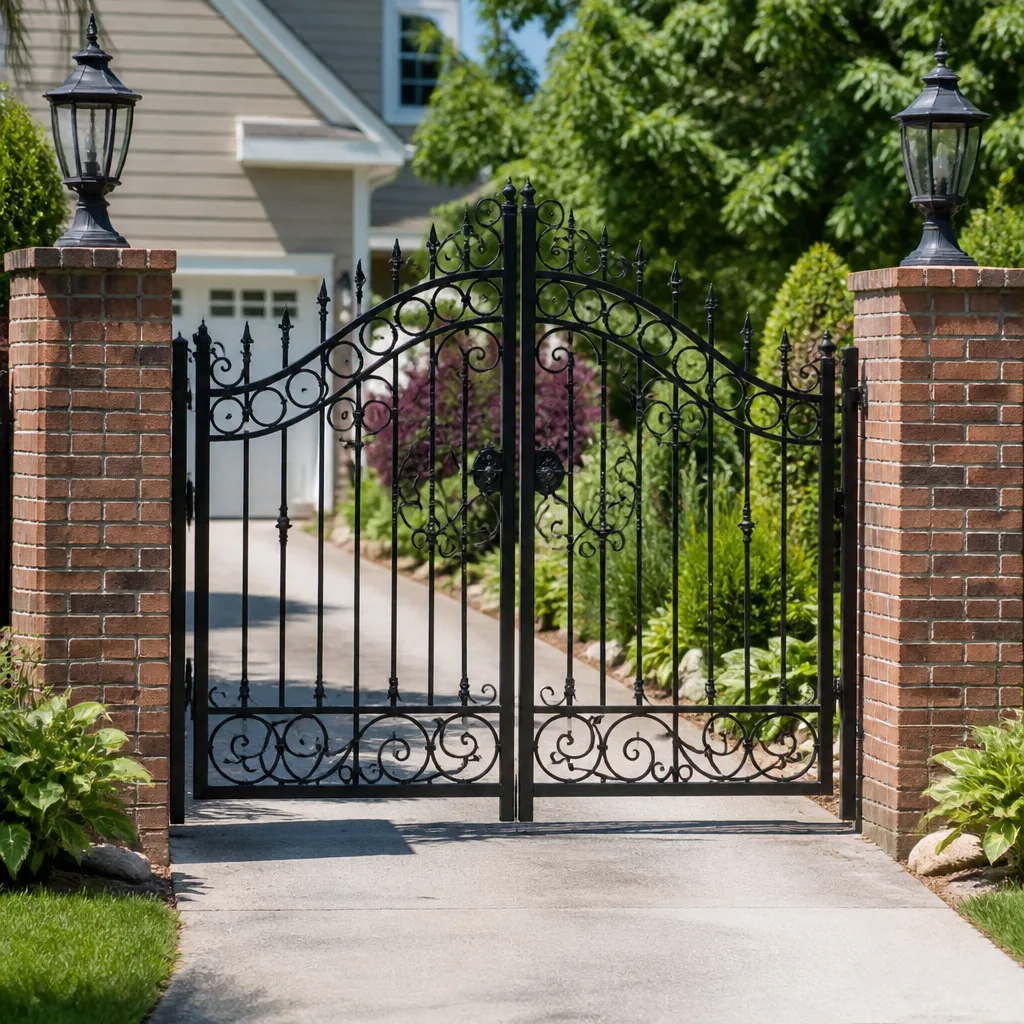 Wrought iron
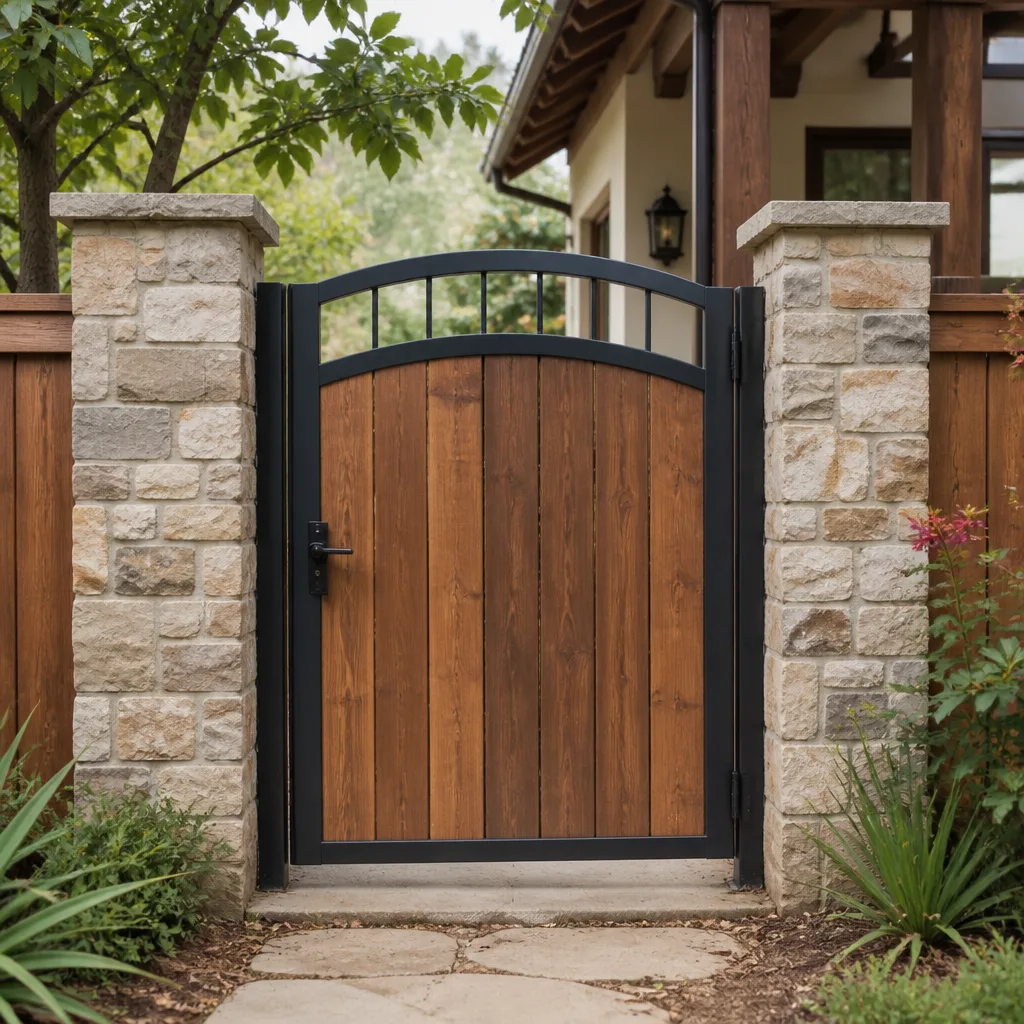 Wood & steel frame
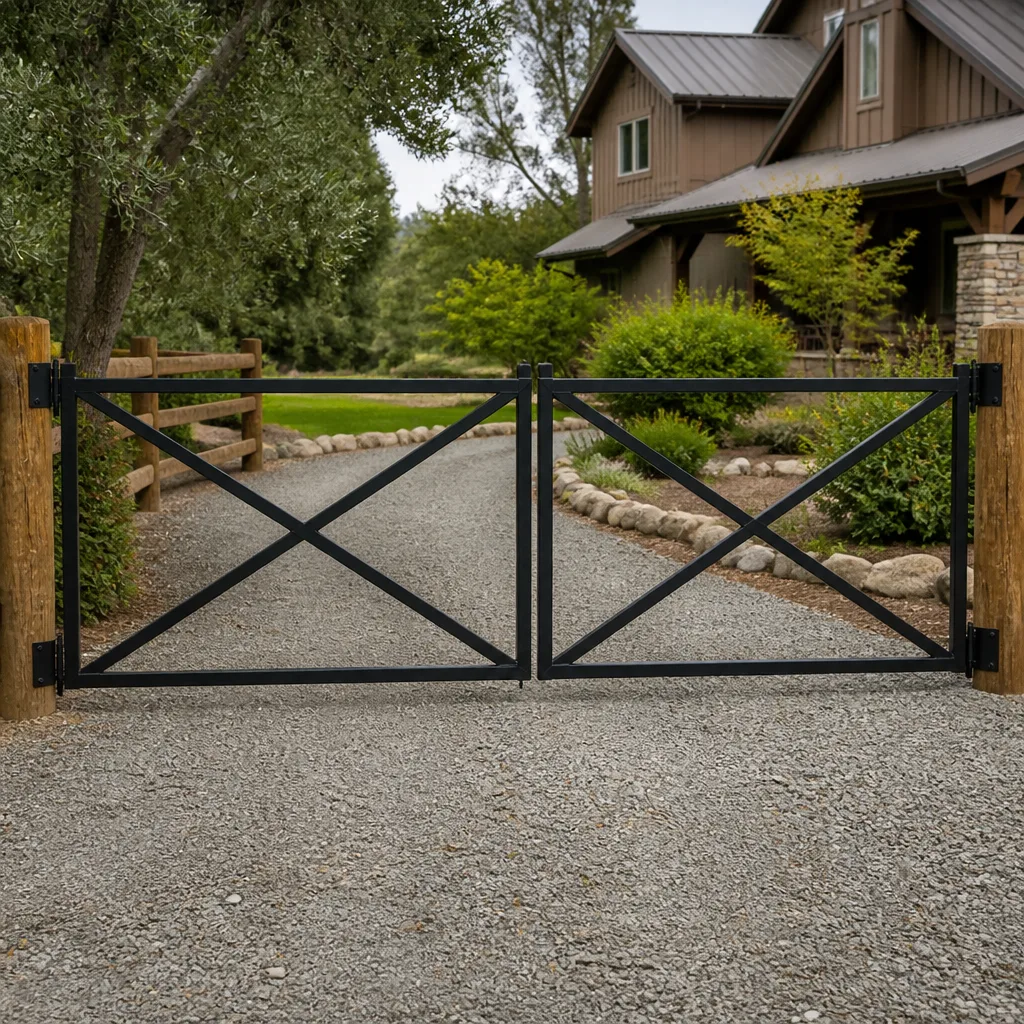 Farm & ranch
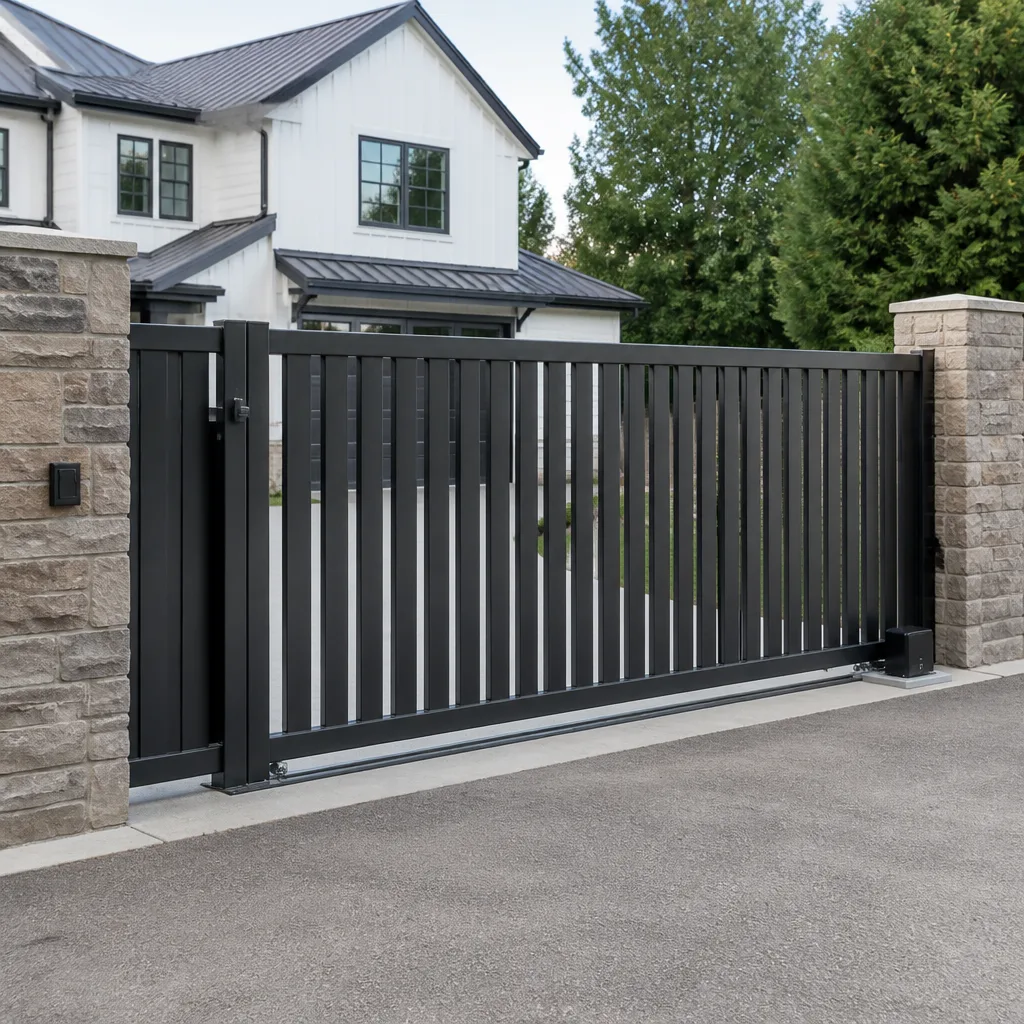 Sliding driveway gates
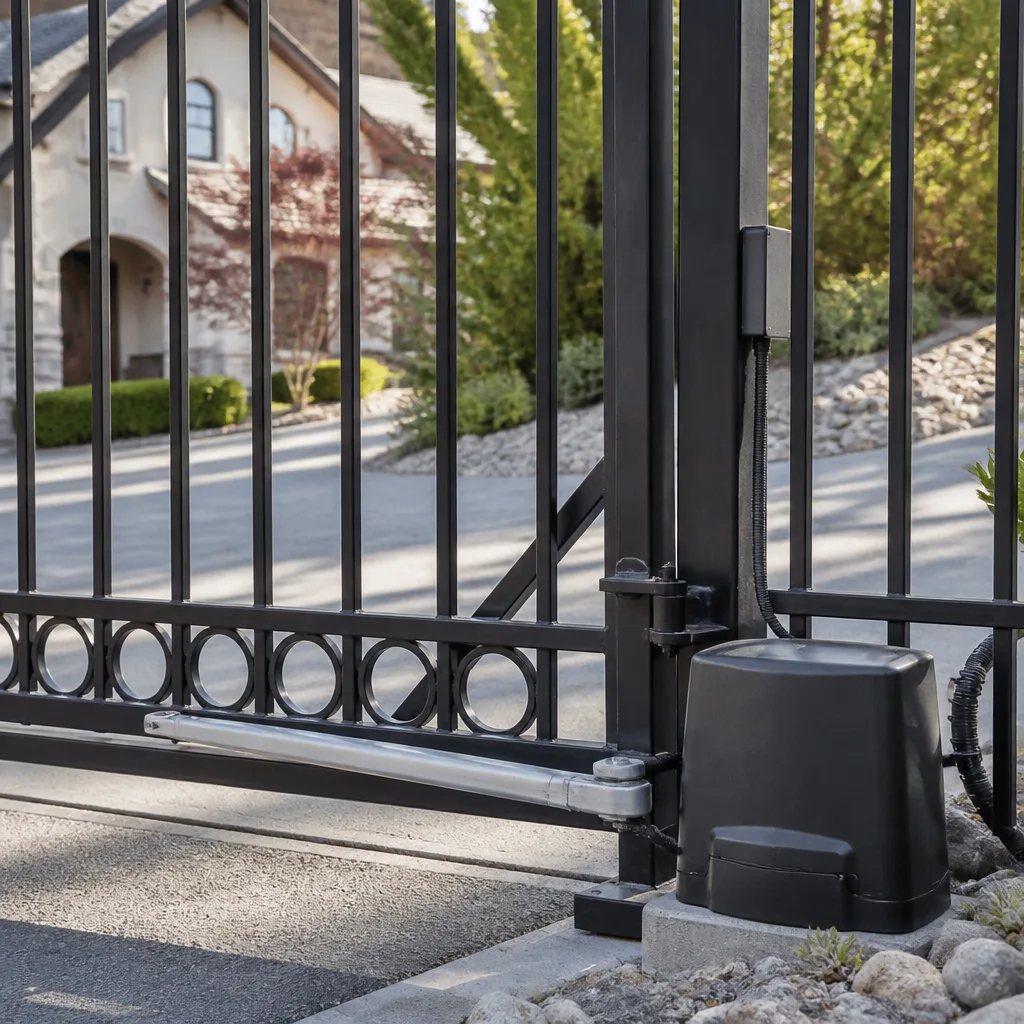 LiftMaster operators
Free on-site gate assessment - hinges, posts, and your LiftMaster or Nice gate operator checked before anything is quoted
The assessment is free and the quote is the invoice.
Get your free estimateChoosing the Right Gate Repair Brand: A Buyer’s Guide for Stockton
The gate brand with the best spec sheet is worthless if no one within 50 miles stocks its control board. That’s the uncomfortable truth most buying guides skip. Here in the San Joaquin Valley, we watch property owners choose an operator based on a manufacturer’s brochure, then wait days for a part while their driveway sits open and their access control is down. The brand you pick is an infrastructure decision, not a marketing one, and it should be judged on parts availability, duty cycle, and how the system holds up in Stockton’s heat. This guide shows you how to evaluate a gate brand like an owner, not a shopper.
Quick Answer
For most residential properties in Stockton, the “best” gate brand is the one whose control boards and motors are actually stocked by local distributors and supported by technicians who work on that system regularly. LiftMaster, FAAC, and Elite are common picks for the mix of reliability and parts availability they offer in San Joaquin County, while duty cycle (residential-rated versus commercial-rated) matters more than the badge on the housing. Start with usage frequency and property type, then confirm local parts support before you commit.
Styles & brands we work with
- Wrought iron
- Wood & steel frame
- Farm & ranch
- Sliding driveway gates
- LiftMaster operators
Table of Contents
- Why gate brand matters more than most buyers think
- Parts availability by brand in Stockton and San Joaquin County
- Duty cycle: the real cause of premature motor failure in Stockton
- How the leading brands fail in Stockton conditions
- Total cost of ownership over ten years
- How to evaluate a contractor’s brand recommendation
- Matching a gate brand to your property type
- Keeping a gate system serviceable over the long term
Why Gate Brand Matters More Than Most Buyers Think
A gate operator is a mechanical and electronic system that lives outdoors for a decade or more. It gets used every single day, sometimes dozens of times, and its parts wear like any moving equipment. When something fails, the brand determines whether a technician can walk out with the right board in hand or has to order one and wait. That single factor separates a same-day fix from a miserable stretch of propping the gate open by hand.
We treat brand fluency as a credential for a simple reason: a technician who regularly works on a system knows its failure pattern before opening the housing. They recognize the symptom that points to a control board versus the one that points to a limit switch. A general handyman who sees your system for the first time has to guess, and guessing is how parts get swapped at random until something works.
In Stockton, the brand question also runs into our dry valley summers. A control board that has a marginal heat tolerance will act up in July even if it ran fine in spring. Some systems manage that well and some don’t, and the difference rarely shows up on a spec sheet. It shows up in a technician’s parts truck and in a decade of service history.
- Parts: Can a local distributor supply the failing component, or does it ship in from out of state?
- Tolerance: Does the system hold up in valley heat and in high-use applications?
- Support: Do the technicians in your area actually know this brand’s control logic?
- Serviceability: Can the system be repaired component by component, or is it effectively disposable?
Brand fluency and local support are why we treat the Gate Repair Stockton team as brand specialists rather than generalists. We work on LiftMaster, FAAC, BFT, Linear, Viking, Ghost Controls, DoorKing, Elite, and Mighty Mule, so we can diagnose the right problem instead of swapping parts.
Parts Availability by Brand in Stockton and San Joaquin County
Parts availability is the single most practical brand criterion in this market, and it doesn’t get nearly enough attention in buying guides. A distributor stocking a control board in San Joaquin County means a repair can move forward without a multi-day shipping delay. A brand with no local footprint means every repair starts with a wait.
The brands most widely installed in the area generally have the strongest parts pipeline. LiftMaster’s residential operators are common enough that distributors in and around Stockton tend to carry the parts technicians actually need. FAAC has a solid commercial and heavy-duty following, so distributor relationships support the parts side. Elite rounds out the picture for many residential applications. Mighty Mule is built around DIY-friendly installation, which means replacement components are usually easy to get, though the systems themselves are best suited to lighter residential use.
Here’s how to think about local parts support in practical terms:
- Ask where the component comes from. A technician who says “I can get the board locally” is telling you something valuable. A technician who says “I’ll have to special order it” is telling you the gate will be down longer.
- Consider the age of your system. Older systems with discontinued boards hit a wall no matter the brand. Part of the brand decision is knowing when a repair stops being economical.
- Match the brand to installed base. Brands with a strong local installed base tend to have stronger parts pipelines, because distributors stock what local technicians ask for.
- Check the commercial side separately. Commercial access hardware like DoorKing may need a different parts path than a residential operator.
In our experience, the call every property owner hates is “your gate brand is fine, but the board is three days out.” Choosing a brand with local stock reduces the odds of that call. That’s the reasoning behind “your brand, our expertise”: we can keep a system running because we know where its parts live.
Duty Cycle: The Real Cause of Premature Motor Failure in Stockton
The most common brand-length failure we see in Stockton’s high-traffic neighborhoods isn’t a defective brand at all. It’s a residential-rated operator installed on a property that uses the gate like a commercial one. Duty cycle is the number of open/close cycles an operator is rated to handle, and when real usage outpaces that rating, the motor and control board wear out long before they should.
This matters even more in a market like Stockton, where an HOA entrance, a multi-family driveway, or a busy commercial lot can cycle a gate hundreds of times a day. A residential operator on that property is being asked to do work it wasn’t built for. The motor runs hotter, the gear wear accelerates, and the control board takes the strain. The system gets blamed for being unreliable when the real problem was a mismatched spec.
How to match duty cycle to your property:
- Low-use residential driveway: A standard residential operator is usually appropriate for a home with a few daily cycles and ordinary traffic.
- High-frequency residential: A home with heavy daily use, multiple drivers, or frequent visitors may push a residential operator past its rating.
- Multi-family or HOA: Shared entrances cycle constantly and call for a duty rating built for that load, not a residential unit.
- Commercial access: A commercial property needs a commercial-rated operator and control system, period.
If you’re unsure where your property lands, ask a technician to look at your actual usage before recommending a brand. Diagnose first, fix right. Matching the operator to the load is often more valuable than which badge is on the housing, and it’s the single biggest lever you have on long-term reliability.
How the Leading Brands Fail in Stockton Conditions
Every gate system that lives outdoors will eventually need repair. The useful question is what kind of repair each brand tends to need in this climate. In the San Joaquin Valley we get long, dry, hot summers and cool valley winters. There’s no coastal salt air and no snow load to contend with. The stress here is heat and sun exposure, plus the usage pattern of each property.
What we observe with the brands we work on most:
- LiftMaster residential systems tend to wear gracefully, with the most common failures tied to board-level electronics and regular mechanical wear. They’re common enough in Stockton that parts and service knowledge are easy to find.
- FAAC operators, often installed on heavier gates and commercial applications, show wear at the mechanical load points. Their heavier build handles the duty, but the weight of the gate means mechanical parts deserve regular inspection.
- Elite and similar residential operators are generally reliable for standard residential duty, and their failure pattern centers on electronics and normal use wear.
- Mighty Mule systems, common on lighter residential gates, perform well within their rated use. Push one past that and the motor and control components feel it quickly.
Heat sensitivity is the one place the environment leaves fingerprints. Electronics that sit in direct sun on a valley summer day can act intermittently before they fail completely. We tend to see board-related symptoms show up in the hottest stretch of the year for operators that are marginal. The fix is rarely brand-specific; it’s a matter of diagnosis. A technician who knows the control logic can tell the difference between a failing board and a limit or sensor issue that mimics one.
This is where gate specialists differ from generalists. We see these failure patterns across the whole installed base in Stockton, and that pattern recognition is what makes a repair quick.
Total Cost of Ownership Over Ten Years
Buying based on sticker price is the most expensive mistake in gate work. A system’s true cost is the purchase price plus the cost of parts and repairs across its life, plus the time your gate spends down. We use a ten-year horizon because that’s a realistic service life for a well-chosen operator that gets looked after.
We can’t give you exact numbers here, because every property has different usage and every repair is priced per job by a written estimate. But we can give you the framework, and it’s the same one we use when we recommend a brand:
- Purchase and install cost. The upfront number. It’s the easiest to compare and the least important on its own.
- Duty-cycle fit. A residential-rated unit stressed by commercial-level use racks up repair frequency fast. Getting this right is often the biggest savings in the ten-year window.
- Repair frequency and parts cost. A reliable brand with local parts keeps both down. A reliable brand with no local stock adds wait time to every failure.
- Downtime cost. For an HOA or a commercial property, a gate that’s down blocks access and inconveniences everyone. Parts availability directly affects how long a gate stays broken.
- Serviceability. A system that can be repaired component by component is cheaper to own than one that’s effectively disposable.
Run this framework and a pattern appears. The brand that wins on a spec sheet often loses on ownership cost because its parts pipeline is thin or its duty rating is wrong for the property. The brand that wins on ownership is the one with the right rating for the load and local support when something fails. That’s the brand conversation worth having with any property owner.
For property managers juggling multiple sites, this framework is even more valuable. Standardizing on brands with strong parts pipelines keeps every property on the same serviceability path, and gate repair gets simpler when the technician already knows the system before arriving.
How to Evaluate a Contractor’s Brand Recommendation
When a technician recommends a brand, the recommendation is only as good as the reasoning behind it. A dealer who earns margin on a particular brand has an incentive. A technician who works across multiple brands has a much easier time telling you the truth about your specific system. That difference should shape how you evaluate any recommendation you receive.
Use these questions to separate a performance-based recommendation from an incentive-based one:
- “Why this brand for my property specifically?” A good answer references your usage, gate type, and access needs. A weak answer references the brand’s marketing.
- “Do you work on other brands too?” Brand-agnostic technicians can recommend the right fix. Brand-locked dealers can only recommend what they sell.
- “What’s your parts pipeline for this brand?” Local distributor stock versus special order tells you a lot about the realities of a repair.
- “Can you keep my current system going?” If your existing gate has life left in it, the right recommendation should be to repair rather than replace whenever that makes sense.
- “What does the estimate cover?” A written estimate should spell out labor and parts, and the price should be quoted and agreed before any work starts.
At Gate Repair Stockton, we work across nine major brands precisely so we don’t have a reason to steer you toward a replacement that isn’t needed. Your brand, our expertise. Our focus is on the right fix for the system you already have.
Matching a Gate Brand to Your Property Type
Property type is the strongest signal for brand selection, and the guide below is the way to think about it before you call anyone. The match isn’t about prestige; it’s about duty cycle, access control needs, and serviceability.
- Single-family residential: A standard residential operator from a brand with a strong local installed base is usually the right fit. LiftMaster and Elite are common choices in Stockton neighborhoods for that reason.
- High-traffic residential or multi-family: This is where a duty-rated commercial or heavy-use operator earns its place. A residential-rated operator is usually the wrong choice here.
- HOA entrances: Access control and reliability drive the decision. A commercial-duty operator plus a system that local technicians can support keeps the entrance working.
- Commercial properties: Access hardware, reader compatibility, and duty rating all matter. DoorKing and comparable commercial systems are part of the picture.
- Lighter residential gates: A system like Mighty Mule can be a reasonable match for a light residential gate used within its rating, though heavier use will push it out of its sweet spot.
One thing to keep in mind in Stockton: our dry summers and high-use properties put a premium on heat tolerance and duty rating. Both should be part of the conversation before you commit to a brand.
Keeping a Gate System Serviceable Over the Long Term
A brand choice that gets parts and service right sets you up for a decade of good use. But serviceability is also a matter of how the system is looked after. A few routines keep any gate working longer, whatever its brand.
- Don’t ignore small symptoms. A gate that slows down, sticks, or acts intermittently is telling you something. Fixed early, the repair is usually smaller.
- Keep the gate itself in shape. A heavy, sagging gate strains the operator. Off-track slides and worn hinges should be sorted before they turn into motor faults.
- Check safety devices. Photo eyes and other safety parts keep a gate safe to operate. If they fail, don’t run the gate unattended.
- Match usage to the duty rating. If the way a property uses its gate changes, the operator’s rating needs to keep up.
- Get an on-site estimate when a repair decision is close. A technician who can see the system can tell you whether a repair makes sense or whether replacement is the better path.
If you’ve been told your gate brand is “too specialized” for a typical repairman, that’s a sign to call a specialist. We know your system, and our daily work involves all of the systems in this guide. That is the value of a gate-only trade focus.
Common Mistakes to Avoid
- Buying on the spec sheet alone. The best-rated brand in a brochure can leave you waiting days for a part nobody stocks locally. Check parts availability in San Joaquin County before you decide.
- Putting a residential-rated operator on a commercial-use property. This is the most common cause of premature motor failure we see in Stockton’s high-traffic neighborhoods. Match duty cycle to real usage.
- Assuming a generalist can fix a gate system. A handyman who doesn’t work on gate brands daily will often guess at the problem. Diagnose first, fix right.
- Letting a contractor steer you toward replacement without a real diagnosis. If your system can be repaired, it should be. Ask why replacement is the recommendation.
- Ignoring the gate itself while focused on the motor. A sagging gate or a slide that’s off its track strains the operator and causes premature wear, no matter the brand.
- Overlooking heat sensitivity in Stockton’s summers. Marginal electronics in direct sun can fail in the hottest stretch of the year. Don’t ignore intermittent symptoms in July.
- Skipping a written estimate. A price quoted and agreed before work starts is the only way to avoid surprises when the work is done.
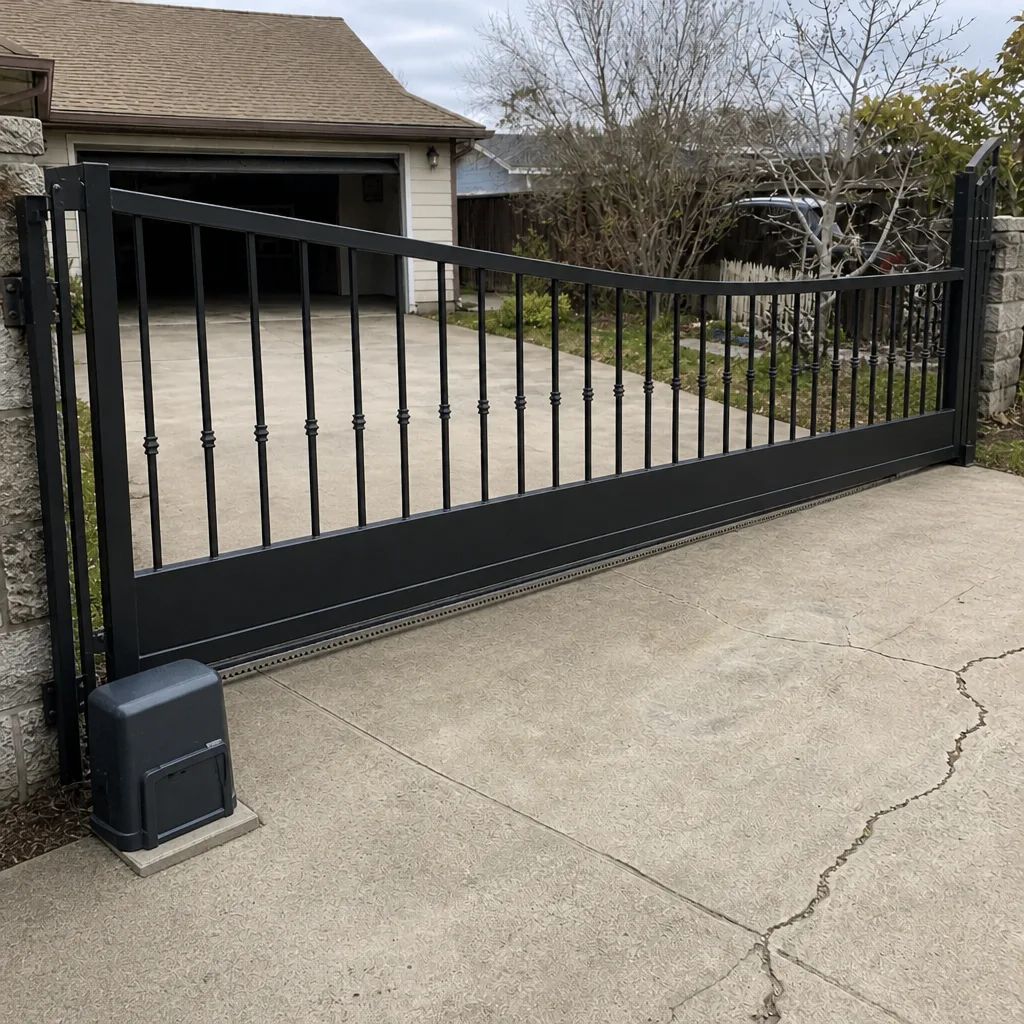
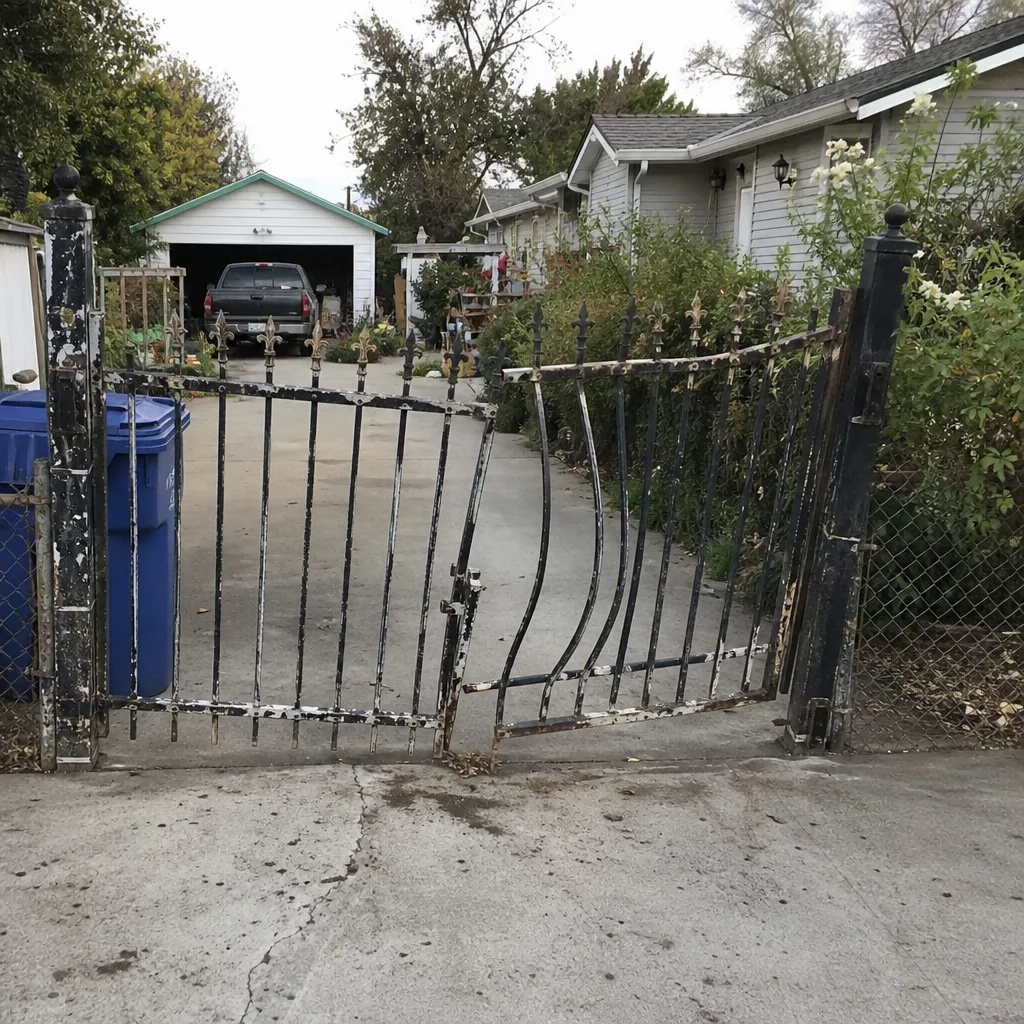
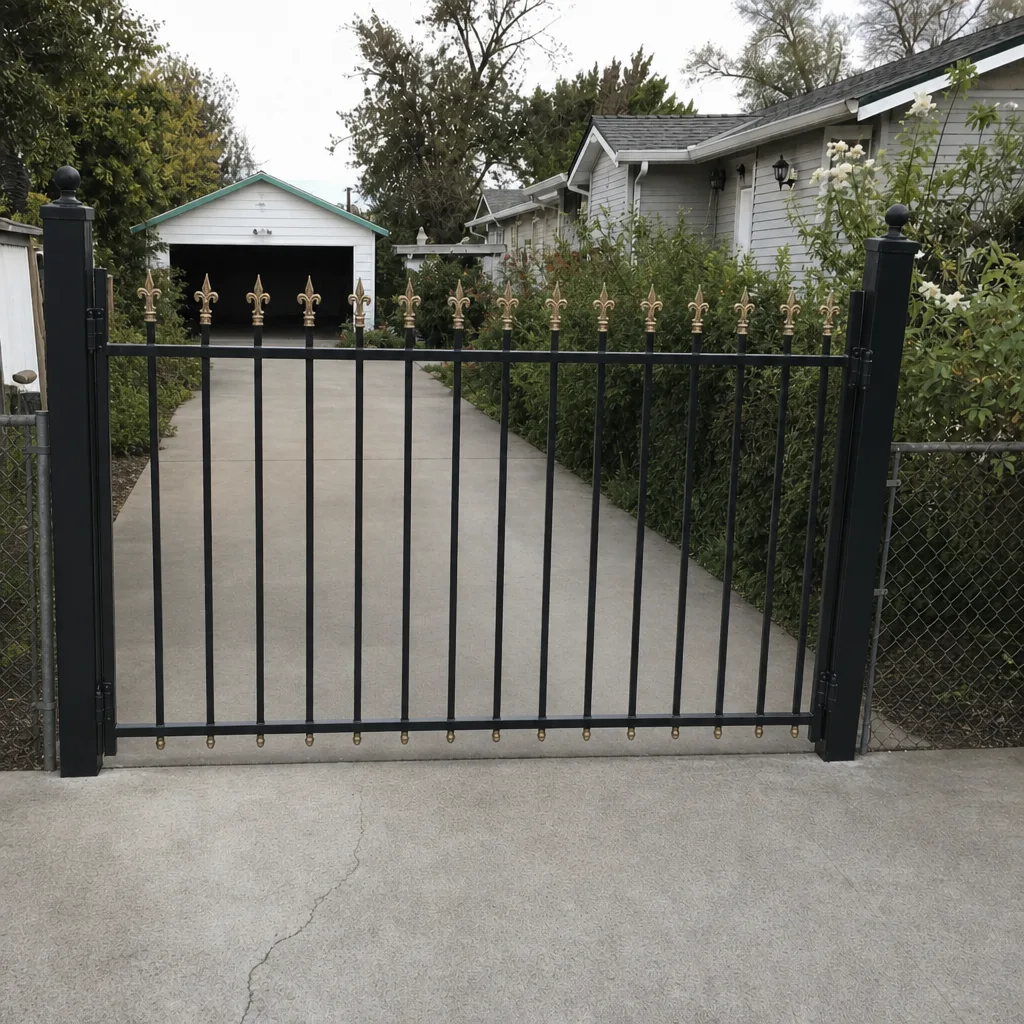
See the difference
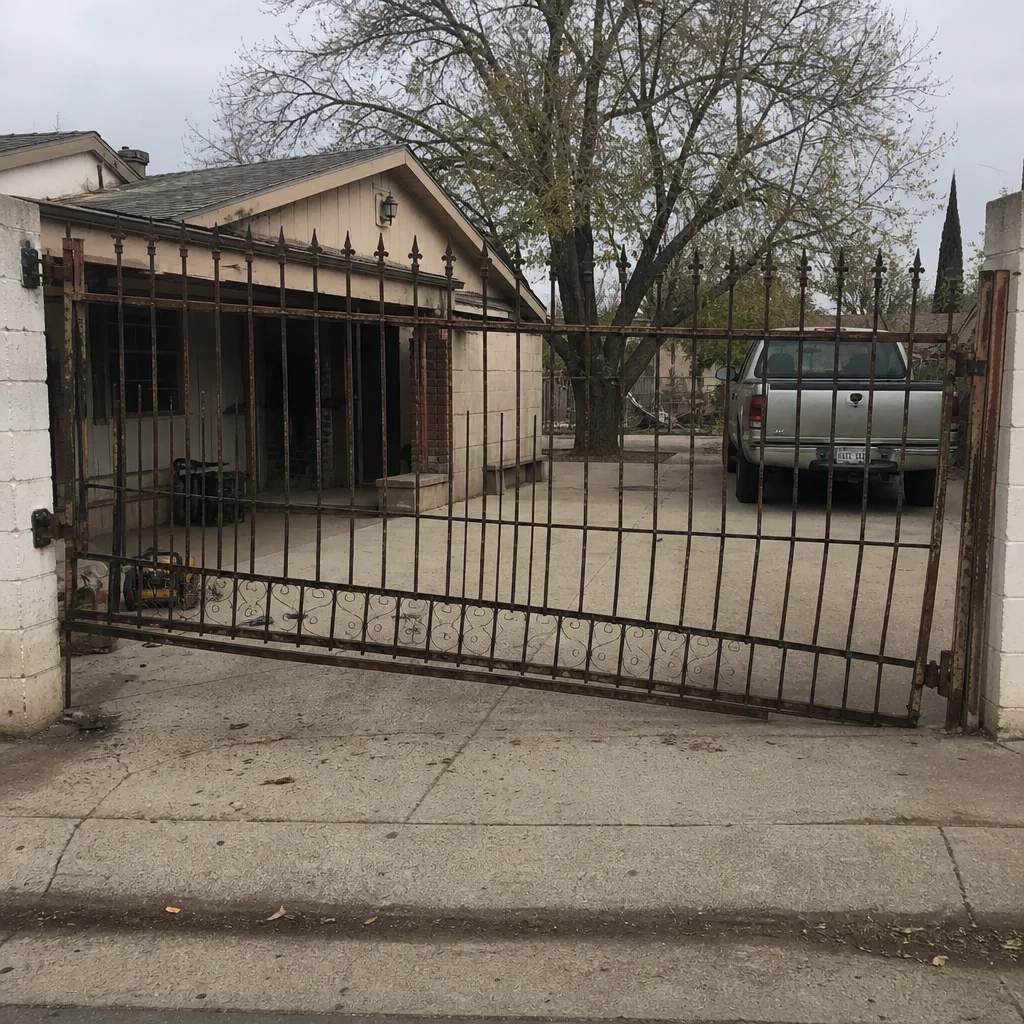 Before
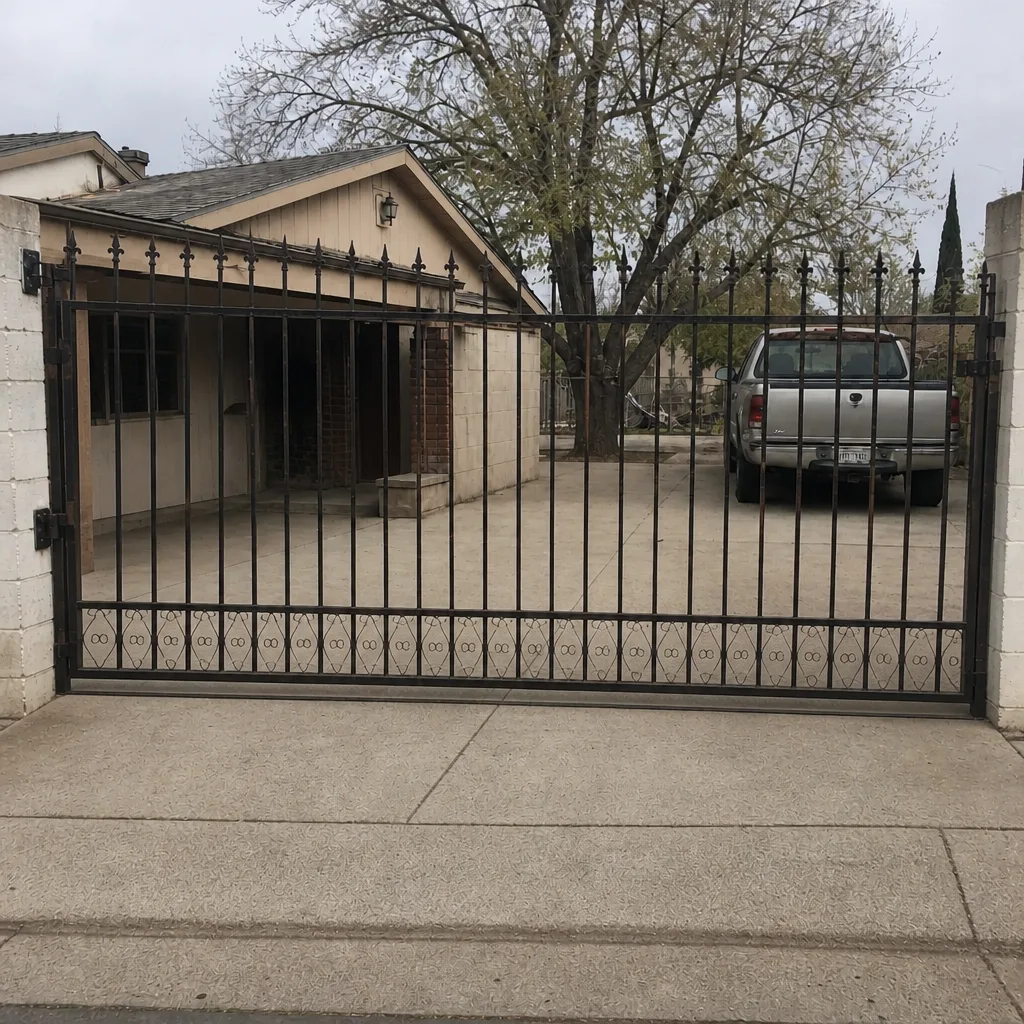 After
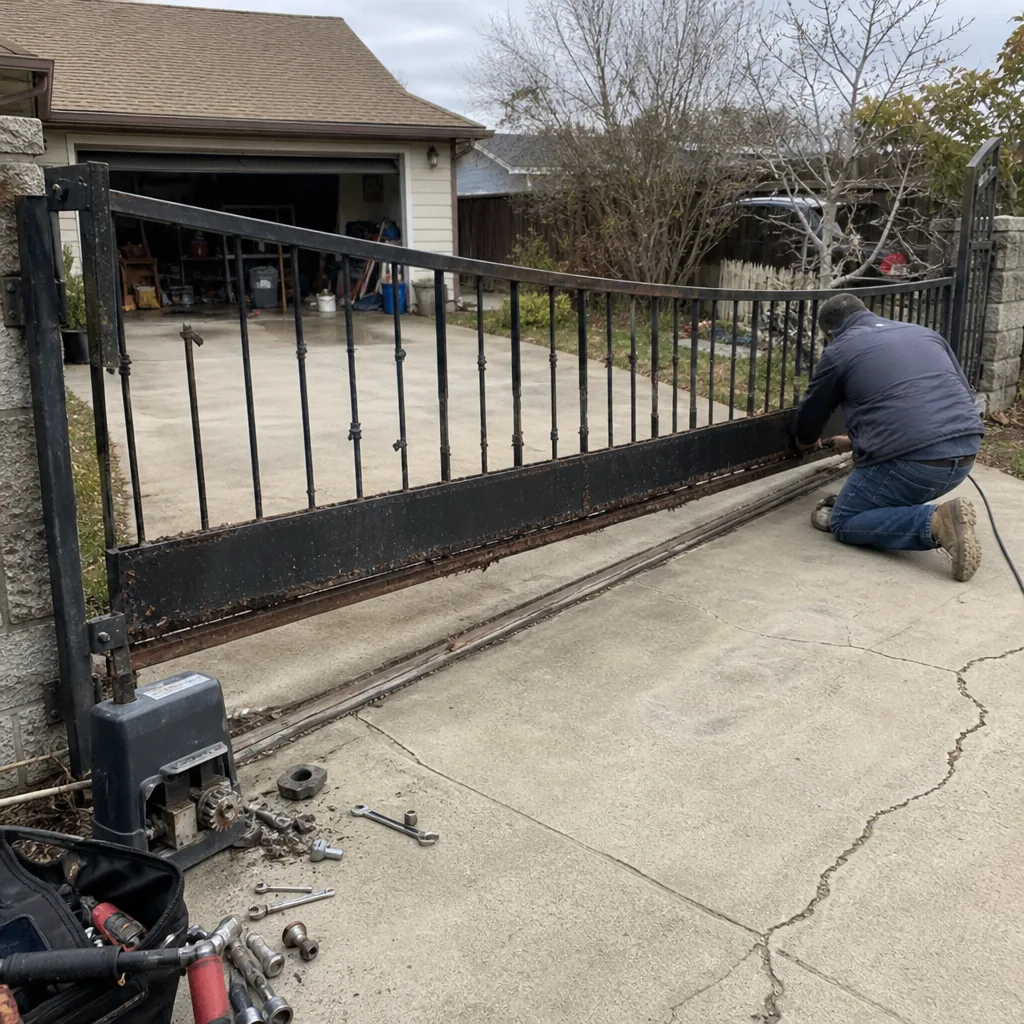 Before
 After
 Before
 After
When to Call a Professional
Some gate work is genuinely dangerous and belongs with a technician. Heavy sliding panels can crush, moving gates can strike people, and the operator’s electrical work and control wiring should be handled by someone who knows it. That includes anything involving the power run or the control board, and any situation where a gate is coming off its track or has lost its safety devices. Call us before you take that on yourself.
Beyond safety, call a professional when the symptoms are intermittent and you can’t pin them down, when a gate has slowed or started sticking, or when you’ve been told your brand is too specialized for a generalist. Gate Repair Stockton offers free estimates in Stockton. Call (833) 946-1127. We answer 24/7. Fast dispatch from 7am to 7pm, Sunday through Friday.
Frequently Asked Questions
There isn’t one universal best brand. For most residential properties in Stockton, the best brand is the one whose parts are stocked locally and whose duty rating fits how the gate is actually used. LiftMaster, FAAC, and Elite are common picks for the mix of reliability and local support they offer, while the “best” answer depends on whether it’s a single-family driveway, an HOA entrance, or a commercial property. Call (833) 946-1127 for a free estimate based on your specific gate.
Residential-rated operators on commercial-use properties are the most common cause of premature motor failure we see. When a gate cycles hundreds of times a day on an operator built for residential use, the motor and control board wear out well before they should. Matching the duty rating to real usage is the single biggest lever on reliability. Call (833) 946-1127 to talk through your property’s usage.
You need a technician who works on gate brands regularly, not one locked to a single brand. A brand-agnostic technician can recommend the right fix for your existing system rather than steering you toward a replacement. We work across nine major brands, including the most widely installed residential and commercial systems, so we can keep your system running even when its brand is unusual. Call (833) 946-1127 for a free estimate.
If a control board or a key component isn’t stocked locally and has to be special ordered, or if a distributor can’t source the part at all, you’re likely looking at the end of a system’s economical life. A technician who works on the brand can tell you whether a repair makes sense or whether replacement is the better path. Call (833) 946-1127 for a free estimate.
A manual gate has no motor or control board, so its repairs focus on the gate itself: hinges, slides, and hardware. An automated gate adds the operator, control board, and access system, which is where electric gate diagnostics come in. We handle both manual and motorized systems under one company. Call (833) 946-1127 for a free estimate.
Yes, mainly through heat and sun exposure. Stockton’s dry valley summers put a premium on heat tolerance in control electronics, and a marginal board can act intermittently in the hottest stretch of the year before failing. There’s no coastal salt air or snow load here to factor in, so the main local stress is heat and usage. Call (833) 946-1127 for a free estimate on your system.
The Bottom Line
Choosing a gate brand in Stockton is an infrastructure decision. The right brand is the one whose parts are stocked in San Joaquin County, whose duty rating matches how your property uses its gate, and whose systems hold up to valley heat. Spec-sheet marketing gets you started; parts availability and duty-cycle fit get you through the next decade. Deal with a technician who works across brands, because a brand-agnostic specialist can tell you the truth about your system rather than steer you toward a replacement you don’t need.
Gate Repair Stockton provides gate repair, electric gate repair, and new gate installation. We know your system because we work on it every day. If you need a free estimate or would like us to diagnose a stubborn problem, call (833) 946-1127. We answer 24/7. Fast dispatch from 7am to 7pm, Sunday through Friday.
Written by the team at Gate Repair Stockton, serving Stockton since 2017.